How a Bicycle Accident Lawyer in Denver Can Protect Your Rights

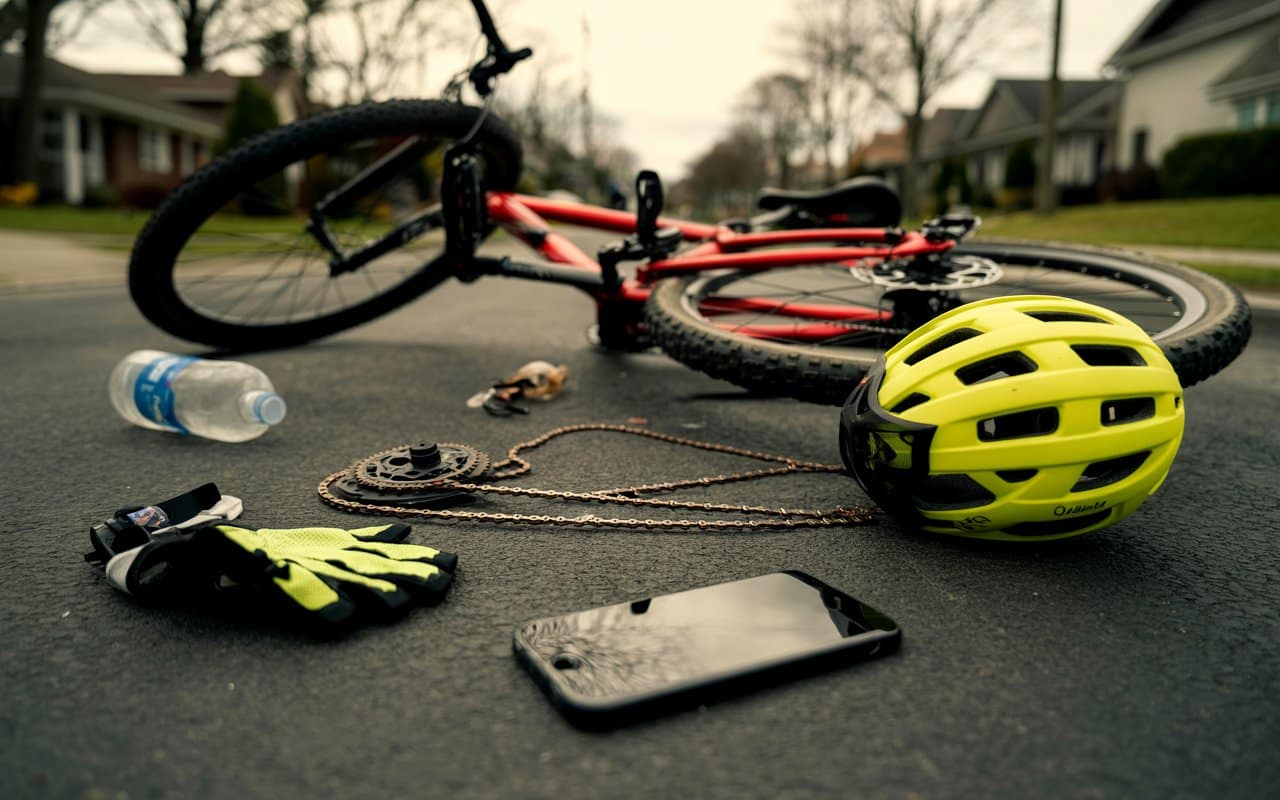

A bicycle crash can change the pace of your life in a matter of seconds. One moment you are riding through downtown Denver, along Speer, through Capitol Hill, or on a neighborhood street in Wash Park. The next, you are dealing with an ambulance ride, a damaged bike, a missed week of work, and calls from an insurance adjuster who sounds helpful until the conversation starts turning toward a quick settlement.
That is where legal representation becomes less of a luxury and more of a practical safeguard. A strong Bicycle Accident Lawyer Denver riders can turn to does far more than file paperwork. The right lawyer protects evidence before it disappears, keeps insurers from framing the facts in their favor, and helps you pursue compensation that reflects what the collision actually cost you, not just what the insurance company wants to pay.
Bicycle cases are rarely as simple as they look from the outside. They involve traffic law, injury documentation, local road conditions, insurance coverage disputes, and, often, a built-in bias against cyclists. If you have never been through a personal injury claim before, it is easy to underestimate how quickly a seemingly straightforward case can get complicated.
Why bicycle accident claims are different from ordinary traffic cases
People often assume a bicycle case is just a car accident with a bike added in. In practice, it is not that simple. Cyclists are physically exposed, which means injuries are often more severe even at lower speeds. A driver who rolls through a right turn at 10 to 15 miles per hour can still knock a rider down hard enough to cause a fractured wrist, concussion, shoulder damage, or a torn ACL from the impact.
The property damage can also be deceptive. A carbon road bike, e-bike, or commuter setup with upgraded components can cost several thousand dollars. Even when the frame looks intact, hidden damage to the fork, wheels, headset, or drivetrain can make the bike unsafe to ride. Someone who does not understand cycling may dismiss the loss with a casual comment like, "It is just a bike," but anyone who rides seriously knows the financial hit can be substantial.
Denver adds another layer. The city has made real investments in bike lanes and multimodal infrastructure, but that does not eliminate conflict points. Intersections, dooring incidents in dense urban corridors, left cross collisions, and drivers who misjudge a cyclist's speed are common sources of injury. Snow, ice, potholes, and variable visibility can complicate fault and roadway hazard issues. A lawyer with experience handling bicycle cases in Denver understands how those local realities shape the claim.
The first problem most injured cyclists face
After a crash, many riders do what responsible people tend to do. They try to be fair. They answer questions politely. They give a recorded statement because the adjuster says it will help move things along. They minimize pain because they are not sure how hurt they are yet. They post a photo online saying they are "lucky to be okay." Then, a few days later, the adrenaline wears off and the real symptoms arrive.
That gap between the day of the crash and the days that follow matters. Soft tissue injuries, concussions, neck strain, and certain orthopedic problems can worsen after the initial event. If the insurer already has a statement from you saying you feel fine, it may use your own words to downplay the seriousness of the injury. A Bicycle Accident Lawyer Denver residents trust will usually tell clients the same basic truth early on: accuracy matters more than speed, and you do not get points for being agreeable with an insurance company that is evaluating your payout.
This does not mean every insurer acts in bad faith. It does mean insurers are businesses. Their job is to resolve claims efficiently and economically. Your job is to protect your health and financial recovery. Those interests do not always line up.
What a lawyer actually does in the days after the crash
The best legal work in a bicycle injury case often happens early, before a demand letter is ever sent. Evidence can vanish quickly. Surveillance video may be overwritten. Witnesses forget what they saw. Vehicle damage gets repaired. Road conditions change. Even the bike itself, if not preserved properly, can lose evidentiary value.
A lawyer can move quickly to secure the foundation of the case. That may include obtaining the police report, identifying nearby cameras, contacting witnesses, preserving the damaged bicycle and helmet, reviewing medical records, and documenting the crash scene. If the collision happened at a problematic intersection, counsel may also examine line-of-sight issues, lane markings, signage, and whether the driver had a clear opportunity to avoid the rider.
In serious injury cases, attorneys sometimes work with accident reconstruction professionals, biomechanical experts, or medical specialists. Not every claim needs that level of support, but when liability is disputed or the injury is significant, those details can change the outcome.
Just as important, the lawyer becomes the point of contact between you and the insurance company. That alone can relieve enormous pressure. People recovering from injury often underestimate how exhausting the claim process can be. When you are already trying to attend follow-up appointments, arrange transportation, and figure out whether you can return to work, fielding calls from adjusters and collecting records becomes another burden you should not have to carry alone.
Rights that are easy to lose if you are not careful
A bicycle accident claim is not only about proving the driver did something wrong. It is also about avoiding mistakes that weaken your position. Many injured cyclists unintentionally damage their own case without realizing it.
Here are some of the rights and protections a lawyer helps preserve:
- Your right to full compensation, not just immediate medical bills.
- Your right to avoid giving a damaging recorded statement too early.
- Your right to have fault evaluated fairly, especially if a driver claims you "came out of nowhere."
- Your right to seek compensation for future treatment, lost earning capacity, and bike replacement when the facts support it.
- Your right to refuse a low settlement before you understand the long-term impact of the injury.
That fifth point matters more than people think. Once a settlement is signed, the case is usually over. If your symptoms persist longer than expected, if you later need physical therapy, or if an orthopedic issue turns out to require surgery, you generally cannot reopen the claim because the first offer now looks inadequate.
Comparative fault can shrink your recovery
Colorado uses a modified comparative negligence system. In plain terms, that means fault can be shared, and your compensation may be reduced by your percentage of responsibility. If your share of fault reaches a certain threshold, recovery may be barred. That legal framework creates a predictable defense strategy in many bicycle cases. Even when a driver clearly caused the collision, the insurer may argue the cyclist was partly to blame.
Maybe you were not wearing highly visible clothing. Maybe you moved from the shoulder into the lane. Maybe the driver claims you failed to signal. Maybe there is a dispute over whether you entered the intersection on a stale yellow light. Some of these arguments are stronger than others, but they all have the same purpose: reduce what the carrier has to pay.
A seasoned lawyer knows how to push back with facts instead of frustration. That can mean using witness testimony, scene measurements, phone records, vehicle data, medical timing, and common-sense analysis of how the impact occurred. It can also mean explaining cyclist behavior in a way a jury would understand. For example, taking the lane is not automatically reckless. In some roadway conditions, it is the safest legal choice available to a rider.
Without legal guidance, people often respond emotionally to comparative fault arguments because they feel insulting. Understandably so. But emotional reactions do not win claims. Careful factual development does.
Insurance coverage is often more complicated than expected
Many people assume the at-fault driver's auto insurance is the only policy that matters. Sometimes it is the primary source of recovery, but it may not be the only one. Depending on the facts, other coverage may come into play, including your own uninsured or underinsured motorist coverage if the driver fled, had no insurance, or carried too little to cover a serious injury.
That surprises a lot of cyclists. They are not in a car at the time of the crash, yet their own auto policy may still help. Health insurance may cover treatment while the injury claim is pending, though reimbursement issues can arise later. In some situations, there may also be coverage questions involving a business vehicle, employer liability, or a rideshare driver who was actively working at the time of the collision.
A Bicycle Accident Lawyer Denver claimants hire will usually look beyond the obvious policy and evaluate the full insurance picture. That matters because severe bicycle injuries can become expensive quickly. An emergency room visit, imaging, orthopedic consults, physical therapy, follow-up care, and time away from work can easily push damages well beyond what people initially expect.
The damages in a bicycle case go beyond hospital bills
The public often thinks personal injury damages start and end with medical expenses. In reality, a well-prepared claim examines the whole impact of the collision on your life.
There are the direct losses, like ambulance charges, emergency care, surgery, medication, follow-up visits, rehabilitation, and wage loss. Then there are the harder-to-measure losses that still matter deeply: pain, sleep disruption, limitations on movement, inability to ride, reduced independence, anxiety in traffic, and the strain that injury places on family routines.
For a recreational rider, missing a season may sound minor to an outsider, but if cycling is part of your identity, fitness, stress relief, and community, the loss is real. For a commuter, the practical disruption can be just as severe. If your bike is your primary transportation, the crash may affect how you get to work, how your children get to school, or how you manage everyday errands.
An experienced lawyer will not treat those losses as side notes. The better ones know that juries and insurers understand damages more clearly when the story is concrete. It is one thing to say a shoulder injury caused inconvenience. It is another to show that the client could not lift groceries for six weeks, had to cancel a planned cycling event, could not type comfortably for full workdays, and still could not safely descend on a bike months later.
When the driver says, "I never saw the cyclist"
That phrase appears in bicycle cases with frustrating regularity. Sometimes it is an honest admission. Sometimes it is a subtle attempt to shift blame, as though invisibility were the cyclist's problem instead of the driver's failure to look carefully.
Legally and practically, "I did not see them" is not much of a defense if the rider was there to be seen. In fact, that statement can support negligence. Drivers have a duty to maintain a proper lookout. They must account for cyclists, pedestrians, and changing road conditions. A right hook in a bike lane, a left turn across a rider's path, or a dooring incident often reflects a lapse in attention that could and should have been avoided.
The challenge is not just moral clarity. It is proof. A lawyer's job is to convert that common-sense truth into persuasive evidence. That might involve showing sight lines, lane positioning, sun angle, speed, traffic controls, and where the cyclist was relative to the vehicle in the seconds before impact.
Practical steps to take after a bicycle crash in Denver
The hours after a collision are chaotic, and no one handles them perfectly. Still, a few actions can make a major difference later.
- Get medical attention promptly, even if you think the injuries are minor.
- Report the crash and make sure an official record exists.
- Photograph the bike, vehicle, roadway, visible injuries, and your gear.
- Keep the damaged bicycle and helmet in their post-crash condition if possible.
- Speak with a lawyer before giving detailed recorded statements or accepting money.
That last point is especially important when an insurer offers to "take care of the bike damage" right away. Quick property payments sometimes come with language or expectations that can complicate the injury claim. The details matter.
What strong legal representation looks like
Not every personal injury lawyer has real experience with bicycle cases. That gap shows up quickly. An attorney who rarely handles cycling claims may overlook component damage, fail to appreciate common urban crash dynamics, or underestimate how comparative fault arguments are deployed against riders.
A capable bicycle accident attorney tends to do several things well. They understand both traffic law and rider behavior. They know how to document injury progression over time. They communicate clearly about value without making reckless promises. They prepare cases as though litigation is possible, even if settlement remains the likely outcome.
Clients should https://martinlxhx677.keystonescope.com/posts/do-you-need-a-bicycle-accident-lawyer-in-denver-for-minor-injuries pay attention to how a lawyer talks about the case at the outset. If the conversation is all confidence and no caution, that is not always a good sign. Good lawyers know early valuations are provisional. They ask careful questions. They want to know how the crash happened, what treatment has occurred, what symptoms remain, what insurance policies exist, and whether there are witnesses or video. They do not rush to a number before the facts are developed.
Settlement versus filing suit
Many bicycle injury claims settle without trial. That is normal and often efficient. But settlement leverage usually improves when the other side understands you are ready to litigate if necessary. A demand backed by complete records, clear liability analysis, and credible damages support carries more weight than a hastily assembled claim that simply asks for money.
Filing suit does not automatically mean a courtroom trial is imminent. It may simply be the procedural step needed to keep pressure on the case, access formal discovery, or avoid a looming deadline. From the client's perspective, what matters is having counsel who can evaluate when negotiation is productive and when it has stalled.
There is judgment involved here. Suing too early can increase cost and delay without clear benefit. Waiting too long can weaken bargaining power or create deadline risk. This is one of the places where experience matters most, because the right move depends on the injury, the available coverage, the quality of the liability evidence, and the insurer's posture.
Deadlines can quietly destroy otherwise valid claims
One of the least dramatic but most dangerous aspects of any injury case is timing. People focus on healing, work disruption, and bike replacement, then assume the legal piece can wait. Sometimes it can, for a while. Sometimes that delay becomes costly.
Claims are governed by statutes of limitation and other notice requirements. The applicable deadline can depend on who caused the crash and whether a government entity is involved. A collision with a private driver is one thing. A roadway defect claim involving a public body is another. Miss the relevant deadline, and even a strong case may never be heard on the merits.
This is another reason early legal advice matters. You do not need to file suit the week after the crash, but you do need to understand the timeline before it starts working against you.
A brief example of how value can be misunderstood
Consider a rider commuting home who is hit by a driver turning right across a bike lane. The cyclist suffers a broken collarbone, a concussion, and road rash. The bike is a mid-range commuter worth a few thousand dollars. At first glance, someone might think the claim is mostly about the emergency room bill and the bike replacement.
A closer look tells a different story. The rider misses six weeks of work, then returns part-time because screen exposure worsens post-concussion symptoms. Physical therapy continues for several months. Sleep becomes difficult. The rider no longer feels comfortable biking in traffic and has to pay for alternate transportation. A planned endurance event is canceled. Months later, shoulder weakness remains.
What seemed like a tidy claim now includes wage loss, ongoing treatment, pain, functional limitation, lifestyle disruption, and possible future care. That shift is common in bicycle cases. The early snapshot is often incomplete.
Choosing a Bicycle Accident Lawyer Denver riders can trust
Hiring a lawyer is not only about credentials. It is also about fit. You want someone who can explain the process without talking down to you, someone who understands why the cycling details matter, and someone who has the discipline to build the case methodically.
When people interview attorneys after a crash, I usually suggest they listen for a few practical signals:
- Does the lawyer ask detailed questions about the bike crash itself, not just the medical bills?
- Can they explain how Colorado fault rules may affect recovery?
- Do they seem comfortable dealing with bike-specific property damage and injury patterns?
- Are they realistic about timeline, case value, and uncertainty?
- Will they handle insurer communication so you can focus on treatment and recovery?
Those questions reveal more than a polished website ever will.
Protecting your rights starts earlier than most people think
By the time an insurer denies liability outright or makes an insultingly low offer, the case has often already been shaped by earlier decisions. What you said at the scene, whether your injuries were documented promptly, whether video was preserved, whether your bike was inspected, whether witnesses were contacted, whether comparative fault arguments were anticipated, all of that matters.
A bicycle accident lawyer does not erase the crash or guarantee a perfect outcome. What good counsel can do is put structure around a vulnerable moment. They can slow the process down when others want to rush it, sharpen the evidence when the facts are blurred, and insist that a cyclist's injuries and losses be taken seriously.
That is what protecting your rights looks like in practice. It is not a slogan. It is the steady work of preserving proof, applying the law carefully, and making sure a rider in Denver is not pushed into carrying the financial consequences of someone else's carelessness.